| For U.S. importers, trade policy has become one of the biggest variables affecting the cost of doing business.
Tariffs are changing, trade agreements are evolving, and negotiations with key trading partners continue to reshape the global supply chain. What was a cost-effective sourcing strategy a year ago may no longer make financial sense today. As uncertainty grows, businesses that stay informed and adapt quickly will be better positioned to protect their margins and keep goods moving efficiently. |
 |
A Shifting North American Trade Landscape
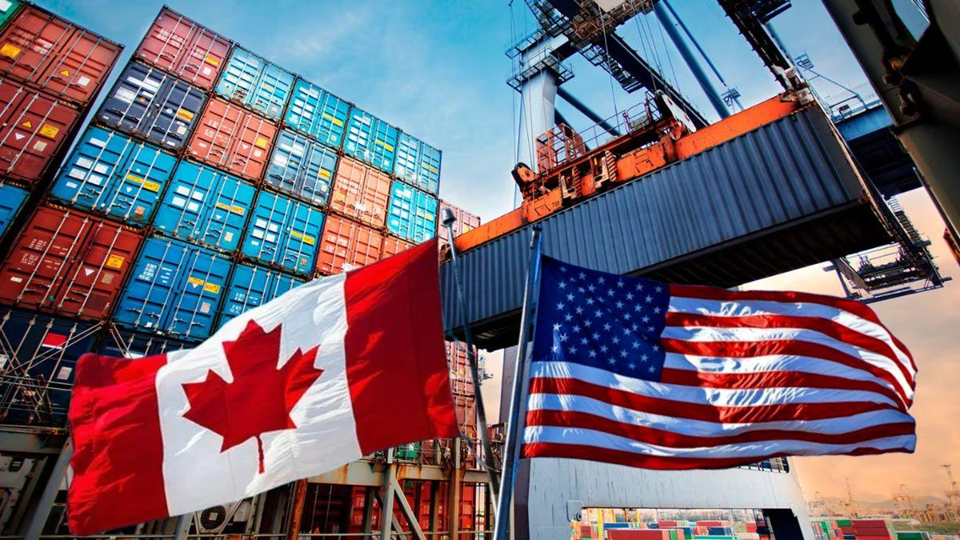
One of the biggest developments this year has been the escalation of trade tensions between the United States and Canada. In July, the U.S. announced new 50% tariffs on approximately $20 billion worth of Canadian imports, affecting products ranging from dairy and cement to apparel and consumer goods. At the same time, both countries have continued negotiating in an effort to reach a broader trade agreement that could ease some of the newly imposed tariffs. (Source: Reuters, “US imposes new 50% tariffs on $20 billion worth of Canadian products”; Reuters, “Canada discussing trade concessions with US for some tariff relief.”)
These developments underscore a new reality for global trade: tariff policy can change faster than most supply chains can adapt. Businesses that fail to plan ahead risk higher landed costs, supply disruptions, and reduced competitiveness. Importers that rely heavily on a single country or supplier may suddenly find themselves facing higher landed costs and shrinking profit margins.
USMCA Remains in Effect—But Change Is Coming
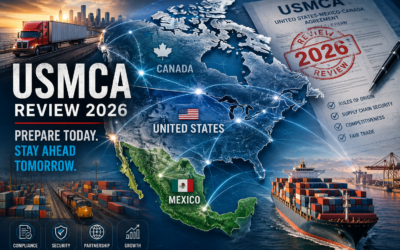
Many businesses assumed the United States-Mexico-Canada Agreement (USMCA) would simply continue as planned. Instead, the agreement entered its first mandatory review in 2026, and the United States declined to extend it in its current form. While USMCA remains fully in force, the decision triggered an annual review process that could lead to significant revisions over the coming years. (Source: Reuters, “US declines to extend North American trade deal, starting annual review process.”)
For importers, that means duty-free treatment under USMCA is still available for qualifying goods, but future rules of origin, automotive content requirements, and other provisions could change as negotiations continue.
What Importers Should Be Doing Right Now
As trade policy continues to evolve, importers should take a proactive approach rather than waiting for the next announcement. Consider reviewing supplier contracts, validating tariff classifications, confirming country-of-origin documentation, and modeling landed costs under multiple tariff scenarios. Companies that build flexibility into their sourcing strategies today will be better equipped to respond quickly if additional tariffs or new trade agreements reshape the market.
Don’t Wait Until Tariffs Take Effect
Successful importers aren’t waiting for the next policy announcement before adjusting their supply chains.
They’re evaluating alternative sourcing locations, reviewing tariff classifications, modeling landed costs under multiple scenarios, and diversifying supplier networks. Even small adjustments made today can help reduce future duty exposure and minimize disruptions if additional tariffs are announced.
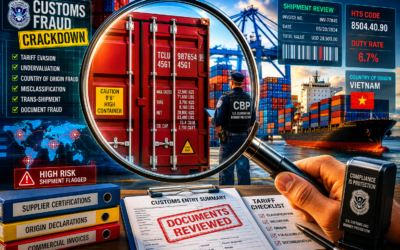
Just as importantly, companies should ensure their customs documentation is accurate and complete. Proper tariff classification, country-of-origin determinations, and product valuation remain essential for maintaining compliance as enforcement efforts continue to increase. U.S. Customs and Border Protection continues to emphasize that importers are responsible for exercising “reasonable care” when filing customs entries and supporting documentation. (Source: U.S. Customs and Border Protection, “Reasonable Care.”)
Turning Uncertainty Into Opportunity
Trade policy will continue to evolve. New tariffs, revised trade agreements, and ongoing negotiations are likely to remain a defining feature of global commerce for the foreseeable future.
Rather than reacting after changes occur, successful importers are building flexibility into their supply chains today. They are partnering with experienced customs brokers and freight forwarders to identify compliance risks, evaluate sourcing alternatives, and develop strategies that reduce costs while maintaining supply chain resilience.
At Profreight, we help businesses navigate an increasingly complex trade environment with confidence. As a licensed U.S. Customs Broker and global freight forwarder, we work alongside our clients to interpret changing regulations, strengthen customs compliance, and develop logistics strategies that keep cargo moving efficiently—regardless of how the trade landscape evolves.
In today’s trade environment, companies that treat customs compliance and trade strategy as competitive advantages—not administrative obligations—will be the ones best positioned to grow. At Profreight, we help importers stay ahead of change so they can move freight with confidence, no matter how the trade landscape evolves.
Preparation is what creates advantage.
To discuss tailored freight forwarding and customs brokerage solutions for your global logistics needs, contact Profreight at +1 (732) 429-1600, email [email protected], or visit https://www.profreight.us/contact/ to request a free quote. When capacity tightens and competition increases, we’re here to keep your cargo—and your business—moving forward.